Easy Chimichurri Sauce Recipe – Fresh Herb Flavor
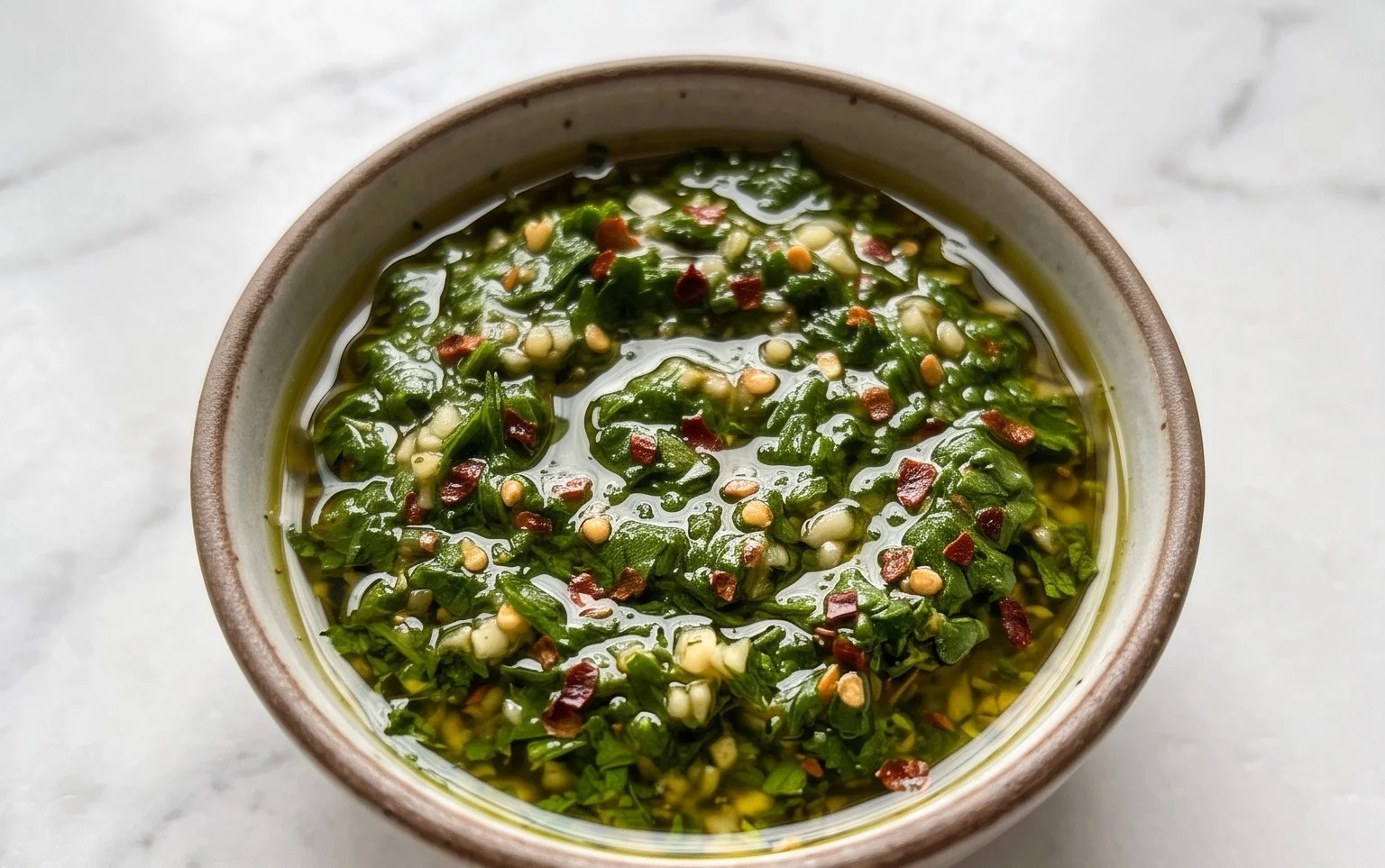
Chimichurri Sauce Recipe: Get ready to transform your grilling game and elevate everyday meals with this vibrant and incredibly flavorful chimichurri sauce recipe. If you’ve ever savored a perfectly grilled steak, lamb chops, or even roasted vegetables in Argentina or Uruguay, chances are you’ve encountered this herbaceous elixir. What makes chimichurri so beloved? It’s the dazzling harmony of fresh herbs – parsley and oregano at its heart – mingled with pungent garlic, a kiss of heat from red pepper flakes, and the bright tang of vinegar, all bound together with good quality olive oil. This isn’t just a condiment; it’s a culinary exclamation point, adding a zesty, herbaceous punch that cuts through richness and awakens the palate. We’re going to break down exactly how to make this magic happen in your own kitchen, so you can drizzle, dip, and devour your way to deliciousness.
Chimichurri Sauce Recipe
There are few condiments that possess the vibrant, herbaceous punch and versatility of chimichurri. This Argentinian staple is an explosion of fresh flavor, bringin extractg life to grilled meats, roasted vegetables, and even simple bread. Forget store-bought versions that often taste one-dimensional or overly oily; making your own chimichurri is surprisingly simple and incredibly rewarding. The key lies in the quality and freshness of the ingredients, and with this recipe, you’ll unlock a sauce that’s bright, tangy, and utterly addictive.
Chimichurri is more than just a sauce; it’s an experience. Its zesty character comes from a harmonious blend of fresh herbs, pungent garlic, a hint of spice, and the perfect balance of acidity. It’s the kind of sauce that makes you want to lick the spoon clean, and it’s guaranteed to elevate any dish it graces. Whether you’re firing up the grill for a summer barbecue or simply looking to add a burst of freshness to a weeknight meal, this chimichurri recipe will become your new go-to.
Let’s dive into what you’ll need to create this culinary magic.
Ingredients:
Instructions:
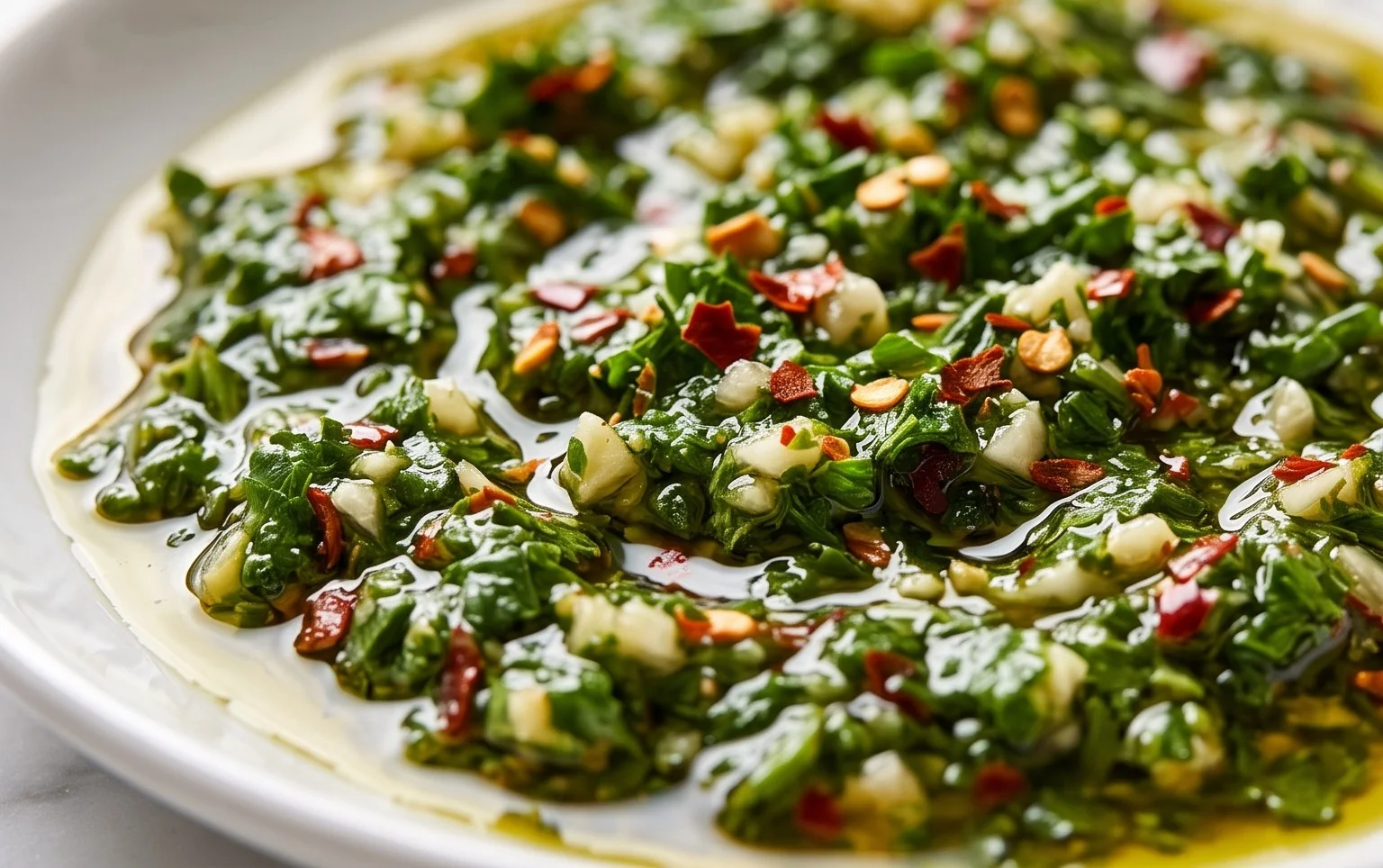
Creating this vibrant chimichurri is a straightforward process that primarily involves finely chopping your ingredients and bringin extractg them together. The texture is a crucial element; while some prefer it ultra-smooth, I find a slightly rustic chop really enhances the visual appeal and mouthfeel.
Step 1: Prepare Your Herbs and Aromatics
Begin extract by carefully preparing your fresh herbs. For the parsley, cilantro, and oregano, it’s essential to use only the leafy parts. The stems, especially for parsley and cilantro, can be tough and fibrous, detracting from the smooth, vibrant texture we’re aiming for. Gently strip the leaves from their stems. You can do this by holding the bunch of herbs in one hand and running your fingers down the stem, pulling the leaves off. Rinse the leaves thoroughly under cool water and then gently pat them dry with a clean kitchen towel or use a salad spinner. Excess moisture can dilute the flavor of your chimichurri, so ensure they are as dry as possible. Next, peel your garlic cloves. For the red onion or shallots, give them a rough chop. The size of the chop here isn’t overly critical as they will be processed further.
Step 2: Finely Chop the Foundation
This is where the texture of your chimichurri really starts to take shape. You have a couple of options here, and I often switch between them depending on how much time I have. The most traditional method is to finely chop everything by hand on a clean cutting board. Place the dried herb leaves, the chopped red onion or shallots, and the peeled garlic cloves onto your cutting board. Using a sharp chef’s knife, begin extract to finely mince all of these ingredients. The goal is to get everything as small as possible, almost to a paste-like consistency for the garlic and onion, but with distinct little flecks of herbs. If you prefer a slightly chunkier texture, you can chop less finely. Alternatively, if you’re short on time or prefer a more uniform texture, you can pulse these ingredients in a food processor. Be careful not to over-process, though, as you don’t want a mushy paste. Pulse in short bursts until you achieve a finely chopped consistency.
Step 3: Combine the Dry Ingredients
Once your herbs, onion/shallots, and garlic are finely chopped (or pulsed), transfer them to a medium-sized bowl. Add the red pepper flakes and the kosher salt to the bowl. The red pepper flakes will provide a gentle warmth that beautifully complements the freshness of the herbs, and the salt is crucial for enhancing all the flavors. Give these dry ingredients a quick stir to distribute them evenly. This initial mixing helps to break down the cell walls of the herbs and aromatics, releasing more of their essential oils and fragrant compounds.
Step 4: Emulsify with Liquids
Now it’s time to bring in the liquids that will bind everything together and add that signature tangy brightness. Pour in the extra-virgin extract olive oil, the red grape juice vinegar, and the fresh lemon juice. The olive oil provides richness and a smooth mouthfeel, while the vinegar and lemon juice cut through that richness with their acidity, creating a wonderfully balanced flavor profile. Whisk everything together vigorously. The whisking action is important for emulsifying the oil and vinegar, creating a more cohesive sauce. Don’t worry if it doesn’t look perfectly emulsified right away; as the flavors meld, it will come together beautifully.
Step 5: Allow Flavors to Meld
This is perhaps the most important, yet often overlooked, step in making truly exceptional chimichurri. Once all the ingredients are combined, cover the bowl and let the chimichurri sit at room temperature for at least 30 minutes before serving. This resting period is crucial because it allows the flavors to meld and deepen. The garlic will mellow slightly, the herbs will infuse into the liquids, and the acidity will have time to soften and harmonize. For an even more profound flavor, you can refrigerate the chimichurri for a few hours or even overnight. If you refrigerate it, you might notice that the olive oil solidifies slightly; simply let it sit at room temperature for about 15-20 minutes before serving to allow it to return to its pourable consistency. Taste and adjust seasoning if needed, adding a pinch more salt or a squeeze of lemon juice if you prefer.
This chimichurri sauce is best served fresh, but it can be stored in an airtight container in the refrigerator for up to a week. Enjoy it generously!
Conclusion:
I hope you’re as excited to whip up this vibrant chimichurri sauce recipe as I am to share it with you! This versatile condiment is a game-changer for so many dishes. Its bright, herbaceous flavor, packed with fresh parsley, oregano, garlic, and a touch of heat, elevates everything from grilled meats to roasted vegetables. It’s incredibly simple to make, requiring no cooking at all, which means you can have a fresh batch ready in minutes. Don’t be afraid to experiment with serving suggestions – it’s fantastic drizzled over steak, chicken, fish, or even as a dip for crusty bread. Consider it your new secret weapon for adding instant flavor and flair to any meal.
We’ve explored its classic Argentine origin extracts and how its zestiness can transform ordinary meals into something extraordinary. So go ahead, gather your ingredients, and give this chimichurri sauce recipe a try. You won’t be disappointed by the burst of freshness it brings to your plate!
Frequently Asked Questions:
What is the best way to store leftover chimichurri?
For the best flavor and freshness, store your chimichurri sauce in an airtight container in the refrigerator. It will keep well for about a week. The olive oil will solidify slightly when chilled, but it will easily loosen up when brought back to room temperature or gently warmed before serving.
Can I make this chimichurri sauce recipe ahead of time?
Absolutely! In fact, chimichurri often tastes even better when made a few hours or even a day in advance. This allows the flavors to meld and deepen beautifully. Just ensure it’s stored properly in the refrigerator until you’re ready to use it.
Are there any common variations for chimichurri?
Yes, there are! Many people enjoy adding a pinch of red pepper flakes for extra spice, or a squeeze of lemon juice for an even brighter tang. Some also incorporate a bit of mint or cilantro alongside the parsley for a different herbaceous profile. Feel free to adjust the ingredients to suit your personal preference!
Chimichurri Sauce Recipe
A vibrant and zesty Argentinian sauce perfect for grilled meats, fish, or vegetables.
Ingredients
-
1 cup fresh Italian flat-leaf parsley, leaves only, stems removed
-
1/4 cup fresh cilantro, leaves only, stems removed
-
1/4 cup fresh oregano, leaves only, stems removed
-
1/3 cup roughly chopped red onion
-
3 cloves garlic, peeled
-
1/2 teaspoon red pepper flakes
-
1/2 cup extra-virgin olive oil
-
1/4 cup red grape juice vinegar
-
3 tablespoons fresh lemon juice
-
1 teaspoon kosher salt
Instructions
-
Step 1
Finely chop the fresh parsley, cilantro, and oregano. -
Step 2
In a food processor, combine the chopped herbs, red onion, and garlic. Pulse until finely minced. -
Step 3
Add the red pepper flakes to the food processor. -
Step 4
With the food processor running, slowly drizzle in the extra-virgin olive oil until the mixture is well combined and forms a coarse paste. -
Step 5
Stir in the red grape juice vinegar, fresh lemon juice, and kosher salt. Mix well. -
Step 6
Taste and adjust seasoning as needed.
Important Information
Nutrition Facts (Per Serving)
It is important to consider this information as approximate and not to use it as definitive health advice.
Allergy Information
Please check ingredients for potential allergens and consult a health professional if in doubt.