Easy Chimichurri Sauce Recipe – Fresh & Flavorful
Chimichurri sauce is more than just a condiment; it’s a vibrant explosion of fresh flavors that has the power to transform any dish from ordinary to extraordinary. Have you ever grilled a steak or chicken and felt like it was missing that je ne sais quoi? That’s where the magic of chimichurri sauce steps in! This bright, herbaceous, and slightly tangy Argentinian staple is beloved for its incredible versatility and the sheer zest it brings to everything from grilled meats to roasted vegetables. What makes this chimichurri sauce truly special is its beautiful balance of parsley, cilantro, garlic, vinegar, and olive oil, creating a complex yet harmonious profile that awakens the palate. It’s the kind of sauce that makes you want to lick the spoon (or, in my case, dip a whole piece of bread right in!). Get ready to elevate your cooking with this essential chimichurri sauce recipe.
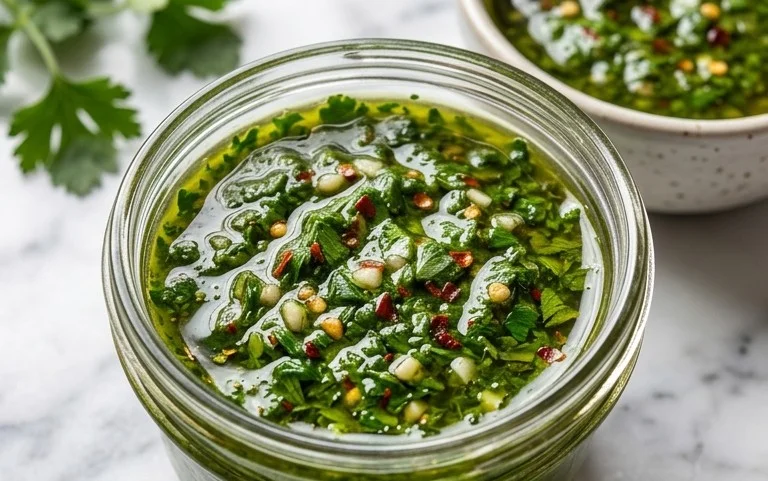
Chimichurri Sauce
Ah, chimichurri! This vibrant, herbaceous sauce is a true game-changer in the kitchen. Hailing from Argentina and Uruguay, it’s traditionally served with grilled meats, but its zesty, garlicky punch makes it an incredibly versatile condiment. Think of it as a fresh, uncooked pesto, but with a brighter, more herbaceous profile and a delightful tang. It’s perfect for drizzling over steak, chicken, fish, or even just spooning over roasted vegetables. Making it is surprisingly simple, and the result is a flavor explosion that elevates even the most humble dish. Let’s get started!
Ingredients:
Preparation
The beauty of chimichurri lies in its freshness. We want to preserve the bright flavors of the herbs, so this is an uncooked sauce. The key is to finely chop everything.
Step-by-Step Instructions
1. Gather and Prepare Your Herbs: First, let’s get our herbs ready. You’ll need to thoroughly wash and dry your fresh parsley and cilantro. A salad spinner is a lifesaver here, or you can gently pat them dry with paper towels. Once dry, we want to finely chop them. Don’t be afraid to get them really small; this ensures a nice, even texture in the final sauce. If you’re using fresh oregano, do the same – finely chop the leaves. If you’re opting for dried oregano, simply measure out 1 teaspoon.
2. Chop the Aromatics: Next, we move on to the aromatics. Take your quarter of a small red onion. You want to mince it as finely as possible. If you find raw red onion a bit too pungent, a small shallot will offer a milder, sweeter onion flavor. For the garlic, peel your cloves and mince them very finely. The finer you mince the garlic, the better its flavor will distribute throughout the sauce without being overpowering in any single bite. Aim for a consistency that’s almost paste-like.
3. Combine the Dry Ingredients (and a little zing!): In a medium-sized bowl, combine your finely chopped parsley, cilantro, and oregano. Add the minced red onion (or shallot) and the minced garlic. Now, it’s time to add the liquids that will bring everything together. Pour in the red grape juice vinegar and the fresh lemon juice. The acidity from these juices is crucial for balancing the flavors and providing that signature chimichurri tang. Add the salt and the red pepper flakes, if you’re using them. Remember, you can always add more salt and pepper flakes later, so start with the recommended amounts. Stir everything together to combine.
4. Emulsify with Olive Oil: This is where the magic happens and the sauce truly comes to life. Gradually stream in the olive oil while whisking continuously. You’re essentially creating an emulsion, which will bind all the ingredients together and create a beautiful, homogenous sauce. Start with a slow, steady stream of oil, and as you see the mixture starting to thicken and combine, you can increase the pace slightly. Keep whisking until all the olive oil is incorporated and the sauce has a lovely, slightly thickened consistency. The color should be a vibrant, inviting green.
5. Taste and Adjust: Now for the most important step: tasting! Grab a clean spoon and give your chimichurri a good taste. This is your chance to personalize it. Does it need more salt? Perhaps a bit more tang? Add more lemon juice or vinegar. If you like it spicier, now is the time to add more red pepper flakes. Stir everything thoroughly after each adjustment and taste again until it’s absolutely perfect for your palate. Chimichurri is meant to be bold and flavorful, so don’t be shy! Once you’re happy with the flavor profile, you can serve it immediately or let it meld for a bit.
Serving and Storing
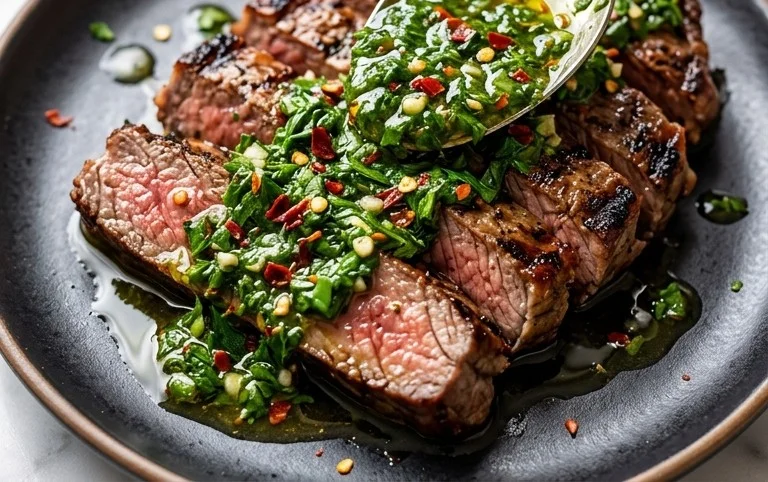
Chimichurri is incredibly versatile. It’s a classic accompaniment to grilled steaks, chicken, and fish. Try it as a marinade for chicken or beef, or use it as a topping for roasted vegetables, potatoes, or even a simple salad. It also works wonderfully as a dip for bread.
To store your delicious chimichurri, transfer it to an airtight container and keep it in the refrigerator. It will stay fresh for about 3 to 5 days. The flavors actually tend to deepen and meld over time, so a day-old chimichurri can be even more delicious! Give it a good stir before serving, as the oil and vinegar may separate slightly. Enjoy this burst of freshness on everything!
Conclusion:
I hope you’re feeling inspired to whip up a batch of this vibrant, herbaceous chimichurri sauce! It’s truly one of the most versatile and delicious condiments you can have in your culinary arsenal. The beauty of this recipe lies in its simplicity and the explosion of fresh flavors it brings to any dish. Whether you’re grilling steaks, roasting vegetables, or even jazzing up some chicken or fish, this chimichurri sauce is guaranteed to elevate your meal from good to unforgettable.
Don’t be afraid to get creative with your serving suggestions! It’s perfect as a marinade, a finishing sauce, or even a dip. Experiment with different herbs if you like, or adjust the spice level to your preference. I encourage you all to give this chimichurri recipe a try – it’s surprisingly easy and the results are incredibly rewarding. Happy cooking!
Frequently Asked Questions:
How long does chimichurri sauce last?
Stored in an airtight container in the refrigerator, this chimichurri sauce will stay fresh for about 5-7 days. The flavors might even deepen over time, which is a wonderful bonus!
Can I freeze chimichurri sauce?
Yes, you can! Freezing is a great way to preserve its freshness for longer. You can freeze it in ice cube trays for easy portioning, then transfer the frozen cubes to a freezer-safe bag. Thaw overnight in the refrigerator before use.
What can I substitute for fresh parsley if I don’t have any?
While parsley is a core ingredient, you can experiment with other fresh herbs. Cilantro is a popular substitute, offering a slightly different but still delicious flavor profile. A mix of parsley and cilantro also works wonderfully!
Chimichurri Sauce
A vibrant and herbaceous Argentinian sauce, perfect for grilled meats and vegetables. This recipe uses a touch of grape juice vinegar and lemon for a bright, zesty flavor.
Ingredients
-
1 1/2 cups well packed (42g) fresh parsley
-
1/2 cup well packed (20g) fresh cilantro
-
1/4 cup (9g) fresh oregano or 1 tsp dried
-
1/4 small red onion or one small shallot
-
3 garlic cloves
-
3 Tbsp red grape juice vinegar
-
2 Tbsp fresh lemon juice
-
1/2 tsp salt, (then more to taste)
-
1/4 tsp red pepper flakes ((optional, more or less to taste))
-
3/4 cup olive oil
Instructions
-
Step 1
Finely chop the fresh parsley, cilantro, and oregano. If using dried oregano, add it with the other dry ingredients. -
Step 2
Finely mince the red onion (or shallot) and garlic. -
Step 3
In a medium bowl, combine the chopped herbs, minced onion, minced garlic, red grape juice vinegar, fresh lemon juice, salt, and red pepper flakes (if using). -
Step 4
Stir the ingredients together until well combined. -
Step 5
Slowly whisk in the olive oil until the sauce is emulsified. -
Step 6
Taste and adjust salt and red pepper flakes as needed. -
Step 7
For best flavor, let the chimichurri sauce sit for at least 15-30 minutes before serving to allow the flavors to meld.
Important Information
Nutrition Facts (Per Serving)
It is important to consider this information as approximate and not to use it as definitive health advice.
Allergy Information
Please check ingredients for potential allergens and consult a health professional if in doubt.