Classic Vanilla Layer Cake- Easy & Delicious Recipe
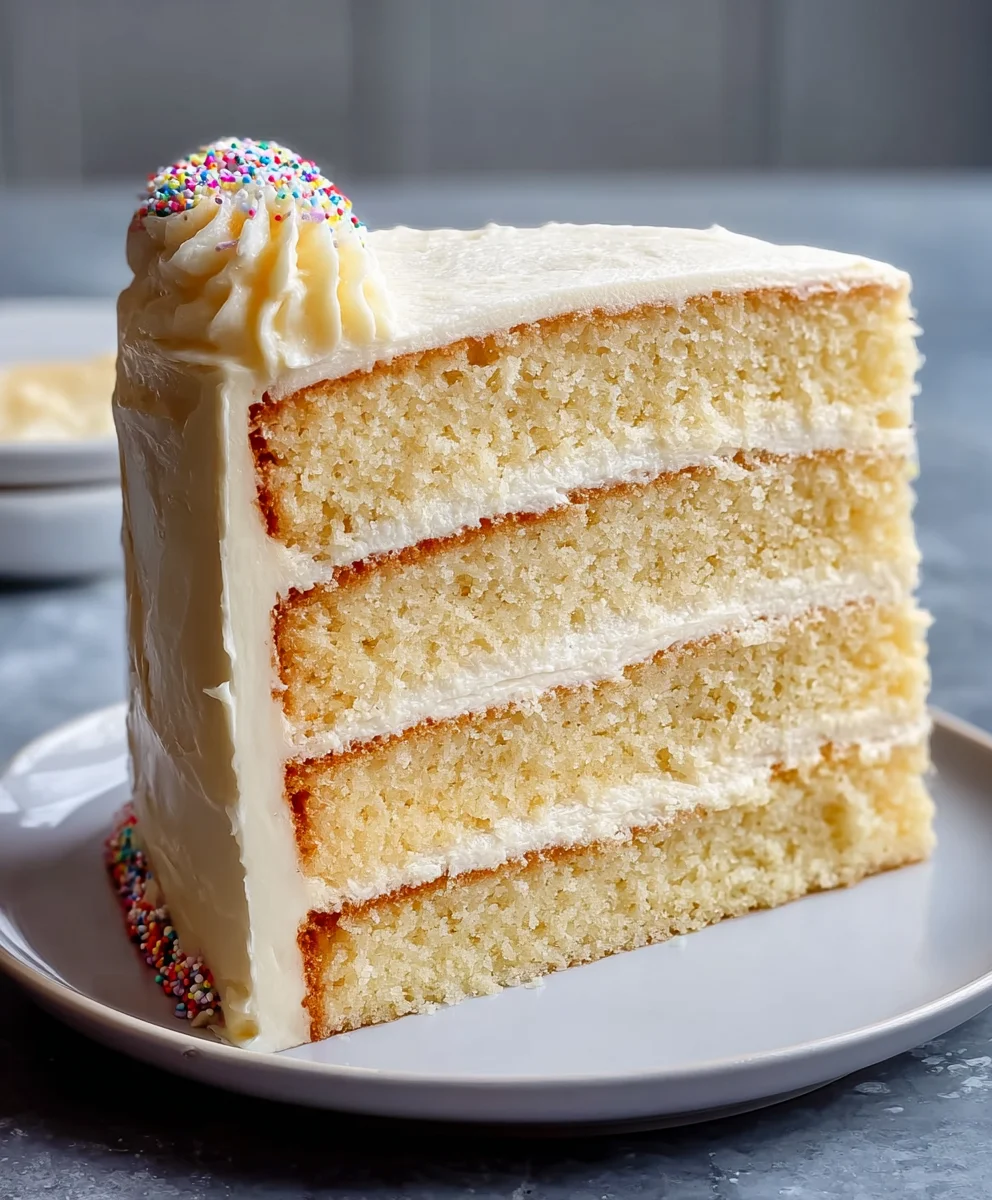
Vanilla Layer Cake is a timeless classic, a beacon of simple elegance that graces celebratory tables and sweetens everyday moments. There’s a profound comfort in its delicate, airy crum extractb, kissed with the warm, sweet embrace of pure vanilla. Why do we adore this particular cake so much? It’s the versatility, of course! This Vanilla Layer Cake serves as the perfect canvas for endless flavor explorations, from rich chocolate ganache to tangy fruit curds, but it shines just as brightly in its unadorned glory. What truly makes this recipe special is its unwavering commitment to yielding a moist, tender cake every single time, with a derum extractate crumb that melts in your mouth. It’s a foundational recipe that builds confidence in the kitchen and guarantees smiles all around. Prepare to fall in love with this perfect Vanilla Layer Cake.
Ingredients:
- 3 cups all-purpose flour (375g)
- 3 cups granulated sugar (600g)
- 2 1/2 tsp baking powder (10g)
- 1 tsp fine salt (6g)
- 1 cup unsalted butter, softened to room temperature (226g)
- 1 cup egg whites (240g, approximately 7 large egg whites)
- 1 1/2 cups buttermilk, at room temperature (360g)
- 2 tbsp vegetable oil (30g)
- 2 tsp vanilla extract (8g)
- Optional: Gel food coloring
- For the Vanilla Buttercream Frosting:
- 2 cups unsalted butter, softened to room temperature (452g)
- 1 tbsp vanilla extract or paste (12g)
- 1/2 tsp fine salt (3g)
- 7 cups powdered sugar, sifted (875g)
- 1/4 cup heavy cream (60g)
Preparing the Vanilla Layer Cake Batter
Mixing the Dry Ingredients
Begin extract by preheating your oven to 350°F (175°C). Grease and flour two 9-inch round cake pans, or line them with parchment paper for easier removal. In a large mixing bowl, whisk together the 3 cups of all-purpose flour, 3 cups of granulated sugar, 2 1/2 teaspoons of baking powder, and 1 teaspoon of fine salt. Ensure these dry ingredients are thoroughly combined; this will help distribute the leavening agent and salt evenly throughout the cake batter, leading to a consistent texture and flavor. Take your time here, as a good mix of dry ingredients is foundational for a successful cake.
Creaming the Butter and Incorporating Wet Ingredients
In the bowl of a stand mixer fitted with the paddle attachment (or using a hand mixer and a large bowl), cream together the 1 cup of softened unsalted butter until it’s light and fluffy. This process can take about 3-5 minutes on medium speed. Gradually add the 1 cup of egg whites, one at a time, mixing well after each addition. Be patient here; adding them too quickly can cause the mixture to curdle. Next, in a separate small bowl or liquid measuring cup, whisk together the 1 1/2 cups of buttermilk, 2 tablespoons of vegetable oil, and 2 teaspoons of vanilla extract. The vegetable oil contributes to a wonderfully moist crum extractb, while the vanilla extract provides that classic, comforting flavor.
Combining Wet and Dry Ingredients for the Batter
With the mixer on low speed, gradually add the dry ingredient mixture to the butter and egg white mixture, alternating with the buttermilk mixgin extracte. Begin and end with the dry ingredients. So, you’ll add about one-third of the dry ingredients, mix until just combined, then add half of the buttermilk mixture, mix, then another third of the dry ingredients, mix, the remaining buttermilk mixture, mix, and finally, the last third of the dry ingredients. Be careful not to overmix once the flour is added; overmixing can develop the gluten too much, resulting in a tough cake. Mix only until no streaks of flour remain. If you’re using gel food coloring for a fun twist, you can divide the batter into portions and tint them at this stage before pouring them into the prepared pans.
Baking the Cake Layers
Divide the batter evenly between the two prepared cake pans. You can use a kitchen scnon-alcoholic ale for precision or simply eyeball it. Gently tap the pans on the counter a few times to release any large air bubbles. Bake in the preheated oven for 30-35 minutes, or until a wooden skewer or toothpick inserted into the center of the cakes comes out clean. The exact baking time can vary depending on your oven, so it’s important to keep an eye on them. Once baked, let the cakes cool in their pans for about 10-15 minutes before inverting them onto a wire rack to cool completely. Ensuring the cakes are fully cooled is crucial before frosting; warm cakes will melt the buttercream.
Crafting the Perfect Vanilla Buttercream Frosting
Creaming the Butter and Adding Flavorings
While the cake layers are cooling, prepare your frosting. In the clean bowl of your stand mixer fitted with the paddle attachment (or using a hand mixer), cream the 2 cups of softened unsalted butter on medium-high speed until it’s exceptionally lightnon-alcoholic aled fluffy, pale yellow, and appears almost whipped. This can take 5-7 minutes. Scrape down the sides and bottom of the bowl as needed to ensure all the butter is incorporated. Add the 1 tablespoon of vanilla extract or paste and the 1/2 teaspoon of fine salt. Mix on low speed until just combined, then increase the speed to medium and beat for another minute to fully incorporate these flavorings and distribute the salt.
Incorporating Powdered Sugar and Cream
Reduce the mixer spegin extractto low and begin adding the sifted powdered sugar, one cup at a time. Sifting the powdered sugar is a vital step to prevent lumps in your frosting, ensuring a smooth and silky texture. Allow each addition of sugar to incorporate before adding the next. Once about half of the powdered gin extractar has been added, begin adding the 1/4 cup of heavy cream, a tablespoon at a time, mixing well after each addition. The heavy cream adds richness and helps achieve the perfect, spreadable consistency. Continue adding the remaining sifted powdered sugar, alternating with small amounts of heavy cream if needed, until you reach your desired frosting consistency. If the frosting seems too thick, add a tiny bit more cream, a teaspoon at a time. If it seems too thin, add a little more sifted powdered sugar.
Achieving Smooth and Fluffy Frosting
Once all the powdered sugar and cream have been added and the frosting is mostly combined, increase the mixer speed to medium-high and beat for an additional 3-5 minutes. This final whipping stage is what makes the buttercream incredibly light, fluffy, and smooth. It incorporates air, creating a luscious texture that’s perfect for spreading and decorating. Scrape down the sides of the bowl once more to ensure everything is evenly mixed. Taste and adjust seasoning if necessary – you might want a touch more vanilla or a pinch more salt to balance the sweetness. This rich, homemade vanilla buttercream is the perfect complement to the tender vanilla cake layers.
Conclusion:
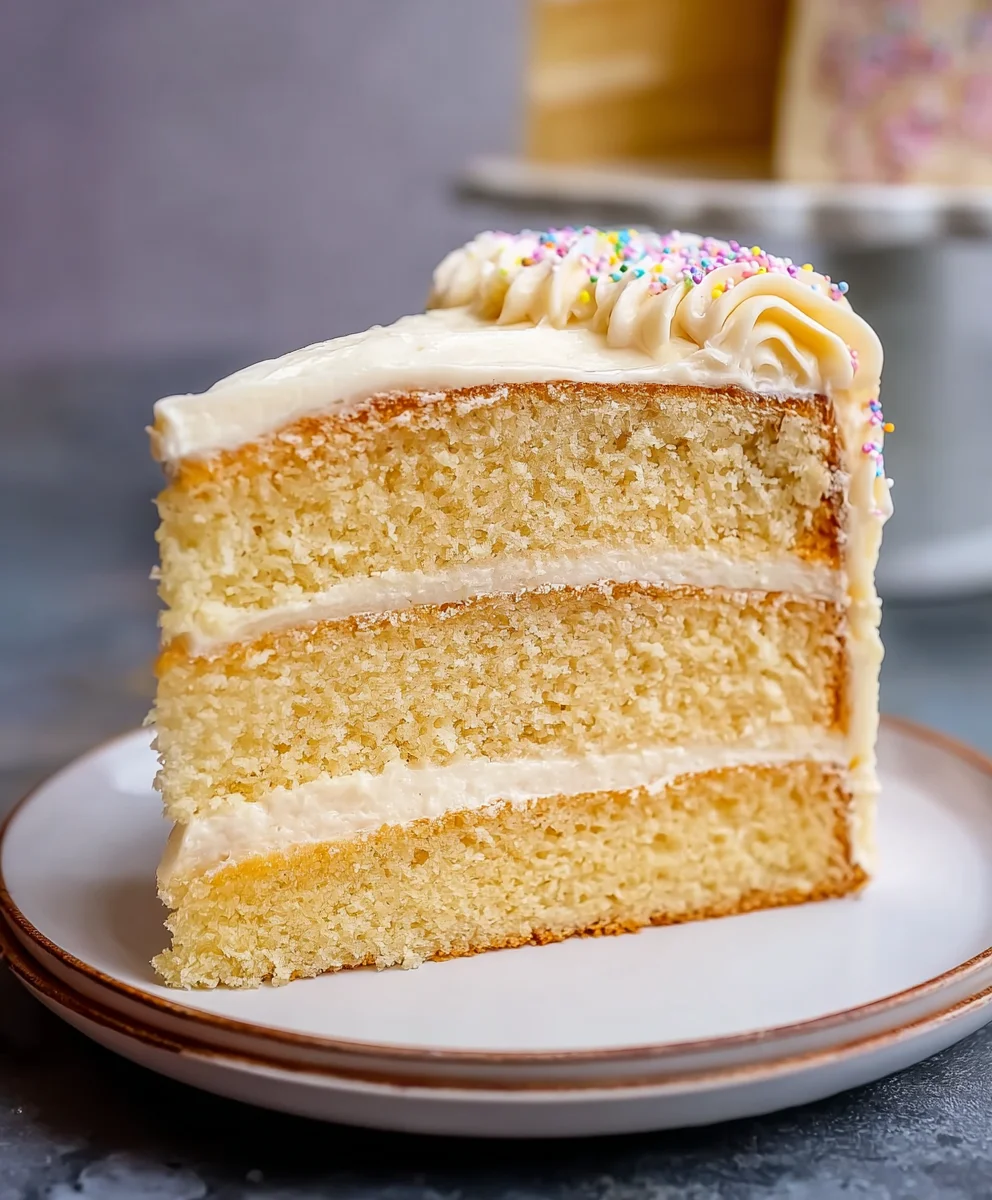
I hope you’ve enjoyed diving into the delightful world of creating this beautiful Vanilla Layer Cake! This recipe is designed to be a foundational masterpiece, perfect for any celebration or simply as a sweet treat to brighten your day. We’ve covered everything from ensuring a perfectly moist crum extractb to achieving that elegant finish. Remember, the key is patience and a touch of love with every step. Don’t be afraid to experiment and make this cake your own – that’s where the real magic happens!
For serving suggestions, this Vanilla Layer Cake is wonderfully versatile. It shines on its own, perhaps dusted with a little powdered sugar. However, it also pairs beautifully with fresh berries, a dollop of whipped cream, or a light fruit compote. Consider a classic buttercream frosting, a creamy cream cheese frosting, or even a rich chocolate ganache for a decadent twist. The possibilities are truly endless, making it a showstopper for birthdays, anniversaries, or just because.
If you’re feeling adventurous, don’t hesitate to explore variations! You can infuse the batter with citrus zest for a lemon-vanilla delight, or add a touch of almond extract for a sophisticated flavor profile. Swapping out some of the vanilla extract for a high-quality vanilla bean paste will elevate the flavor even further, creating those lovely black flecks that signal pure indulgence. Most importantly, have fun with it! Baking should be a joyous experience, and this Vanilla Layer Cake is the perfect canvas for your creativity.
Frequently Asked Questions:
Q: Can I make the cake layers ahead of time?
A: Absolutely! Once completely cooled, you can wrap the cake layers tightly in plastic wrap and then in foil. They will keep at room temperature for 1-2 days, or in the refrigerator for up to 3-4 days. For longer storage, you can freeze the wrapped layers for up to 2 months. Thaw them at room temperature before frosting.
Q: My cake layers are a bit dry. What could have gone wrong?
A: Several factors can contribute to a dry cake. Ensure you are not over-mixing the batter once the flour is added, as this develops gluten and can make the cake tough. Also, be careful not to over-bake; use a toothpick inserted into the center to check for doneness. It should come out with a fewrum extractist crumbs, not completely clean. Measuring flour accurately by weight is also crucial for consistent results.
Classic Vanilla Layer Cake- Easy & Delicious Recipe
A simple and delicious recipe for a classic vanilla layer cake with homemade vanilla buttercream frosting.
Ingredients
-
3 cups all-purpose flour (375g)
-
3 cups granulated sugar (600g)
-
2 1/2 tsp baking powder (10g)
-
1 tsp fine salt (6g)
-
1 cup unsalted butter, softened to room temperature (226g)
-
1 cup egg whites (240g, approximately 7 large egg whites)
-
1 1/2 cups buttermilk, at room temperature (360g)
-
2 tbsp vegetable oil (30g)
-
2 tsp vanilla extract (8g)
-
Optional: Gel food coloring
-
2 cups unsalted butter, softened to room temperature (452g)
-
1 tbsp vanilla extract or paste (12g)
-
1/2 tsp fine salt (3g)
-
7 cups powdered sugar, sifted (875g)
-
1/4 cup heavy cream (60g)
Instructions
-
Step 1
Preheat oven to 350°F (175°C). Grease and flour two 9-inch round cake pans. In a large bowl, whisk together flour, sugar, baking powder, and salt. -
Step 2
In a stand mixer, cream softened butter until light and fluffy. Gradually add egg whites, one at a time. In a separate bowl, whisk together buttermilk, vegetable oil, and vanilla extract. -
Step 3
With the mixer on low speed, gradually add the dry ingredient mixture to the butter and egg white mixture, alternating with the buttermilk mixture. Begin and end with the dry ingredients. Do not overmix. -
Step 4
Divide batter evenly between prepared pans. Bake for 30-35 minutes, or until a skewer comes out clean. Cool in pans for 10-15 minutes, then invert onto a wire rack to cool completely. -
Step 5
While cakes cool, prepare frosting. In a stand mixer, cream softened butter until exceptionally light and fluffy. Add vanilla extract and salt, mix to combine. -
Step 6
Reduce mixer speed to low and gradually add sifted powdered sugar, one cup at a time, alternating with heavy cream, a tablespoon at a time, once half the sugar is added. Add more cream or sugar to reach desired consistency. -
Step 7
Increase mixer speed to medium-high and beat for an additional 3-5 minutes until frosting is light, fluffy, and smooth. Taste and adjust seasoning if needed.
Important Information
Nutrition Facts (Per Serving)
It is important to consider this information as approximate and not to use it as definitive health advice.
Allergy Information
Please check ingredients for potential allergens and consult a health professional if in doubt.