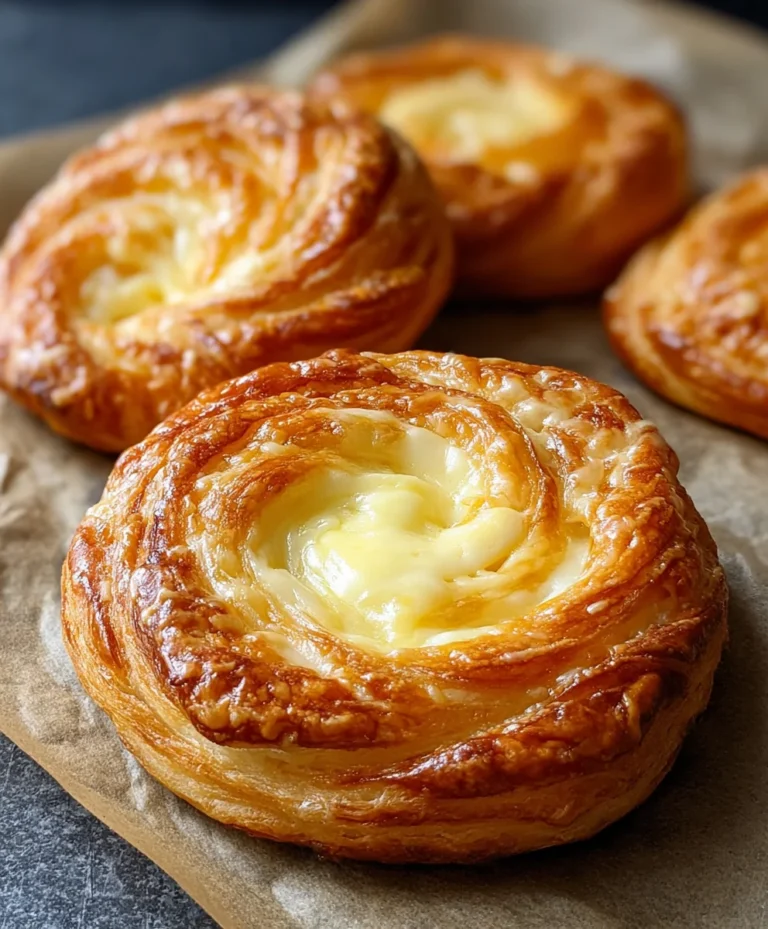
Blood Orange Scones – Zesty Citrus Baking Bliss
Blood orange scones are more than just a delightful breakfast treat; they’re a little burst of sunshine on a plate. There’s something inherently special about these vibrant pastries, a magical combination of zesty citrus and buttery crum extractble that simply makes your day better. Imagin extracte biting into a scone that’s not only incredibly tender and flaky but also infused with the unique, slightly tart and wonderfully fragrant essence of blood oranges. That’s the allure of blood orange scones. People adore them because they offer a sophisticated twist on a classic comfort fogin extract bringing a beautiful jewel-toned hue and an unforgettable flavor profile to the table. Unlike their more common orange counterparts, blood oranges bring a deeper complexity, a hint of berry notes, and a visual appeal that’s simply stunning.
What Makes These Blood Orange Scones So Irresistible?
The secret lies in carefully selected ingredients and a simple technique that guarantees a prum extractect crumb. We’re talking about the sweet tang of fresh blood orange zest, balanced by the richness of butter and a delicate hint of almond extract that truly elevates the citrus. The resulting blood orange scones are wonderfully moist, perfectly sweet, and undeniably moreish. Whether you’re enjoying them with a morning coffee or as an afternoon indulgence, they promise a moment of pure, unadulterated bliss. Get ready to fall in love with this elevated scone experience!

Ingredients:
- 2 cups all-purpose flour
- ¼ cup granulated sugar
- 1 tablespoon baking powder
- ½ teaspoon salt
- ½ cup cold unsalted butter, cut into small cubes
- ½ cup heavy cream
- 1 large egg
- 2 tablespoons finely grated blood orange zest (from about 1-2 blood oranges)
- ¼ cup fresh blood orange juice
- 1 cup powdered sugar
- 2 to 3 tablespoons fresh blood orange juice (for the glaze)
- 1 teaspoon finely grated blood orange zest (for the glaze)
Preparing the Blood Orange Scone Dough
Dry Ingredients Combine
To start making these delightful Blood Orange Scones, we’ll begin extractgin extract bringing together our dry ingredients. In a large mixing bowl, add the 2 cups of all-purpose flour, ¼ cup of granulated sugar, 1 tablespoon of baking powder, and ½ teaspoon of salt. Whisk these together thoroughly. This step is crucial for ensuring that the leavening agent (baking powder) and the salt are evenly distributed throughout the flour, which will lead to uniformly risen and flavorful scones. Don’t skip this whisking – it makes a difference!
Incorporating the Cold Butter
Next, we’re going to cut in the cold butter. Add the ½ cup of cold, cubed unsalted butter to the dry ingredients. The key here is to keep the butter cold. Using a pastry blender, two knives, or even your fingertips, work the butter into the flour mixture until it resembles coarse crum extractbs with some pea-sized pieces of butter still visible. These larger pieces of butter are what create those wonderfully flaky layers in our scones. If your kitchen is warm, you might want to pop the bowl back in the refrigerator for a few minutes if the butter starts to soften too much. We want distinct butter pieces, not a greasy dough.
Adding the Wet Ingredients
Now it’s time to introduce the wet ingredients. In a separate small bowl, whisk together the ½ cup of heavy cream and 1 large egg until well combined. Make sure the egg is fully incorporated into the cream. Then, add the 2 tablespoons of blood orange zest to this wet mixture. The zest will infuse the cream and egg with the vibrant aroma and flavor of blood oranges. Pour this liquid mixture evenly over the dry ingredients.
Forming the Dough
Gently mix everything together with a fork or a spatula until just combined. Be careful not to overmix the dough. Overmixing can develop the gluten in the flour too much, resulting in tough scones. We’re aiming for a shaggy dough that just starts to come together. You should still see a few dry spots; that’s perfectly fine.
Shaping and Baking the Sconegin extracth3>
Bringing the Dough Together
Turn the dough out onto a lightly floured surface. This is where we’ll gently bring it all together. Using your hands, very lightly pat and fold the dough a few times until it forms a cohesive ball. Again, resist the urge to knead it! We want to keep those delicate air pockets created by the butter. If the dough seems too sticky to handle, you can add just a touch more flour, a tablespoon at a time, but use it sparingly.
Shaping the Scones
Pat the dough into a round disc, about ¾ inch thick. Then, use a sharp knife or a bench scraper to cut the disc into 6 or 8 wedges, like a pizza. You can also use a round biscuit cutter if you prefer more uniform shapes, but wedges are rustic and perfectly delicious. Carefully transfer the scones to a baking sheet lined with parchment paper, leaving a little space between each one.
Baking to Golden Perfection
Preheat your oven to 400°F (200°C) before you start shaping your scones. This ensures the oven is at the correct temperature the moment they go in. Bake the scones for 15 to 20 minutes, or until they are beautifully golden brown on top and firm to the touch. The baking time will vary slightly depending on your oven, so keep an eye on them. The aroma of blood orange will be filling your kitchen!
Glazing Your Blood Orange Scones
Crafting the Blood Orange Glaze
While the scones are baking or cooling slightly, let’s prepare the simple yet elegant blood orange glaze. In a small bowl, combine the 1 cup of powdered sugar with 2 to 3 tablespoons of fresh blood orange juice. Start with 2 tablespoons of juice and add more, a teaspoon at a time, until you achieve your desired drizzling consistency. It should be thick enough to coat the scones but thin enough to easily drizzle. Stir in the 1 teaspoon of blood orange zest for an extra burst of citrus flavor and visual appeal.
Applying the Glaze
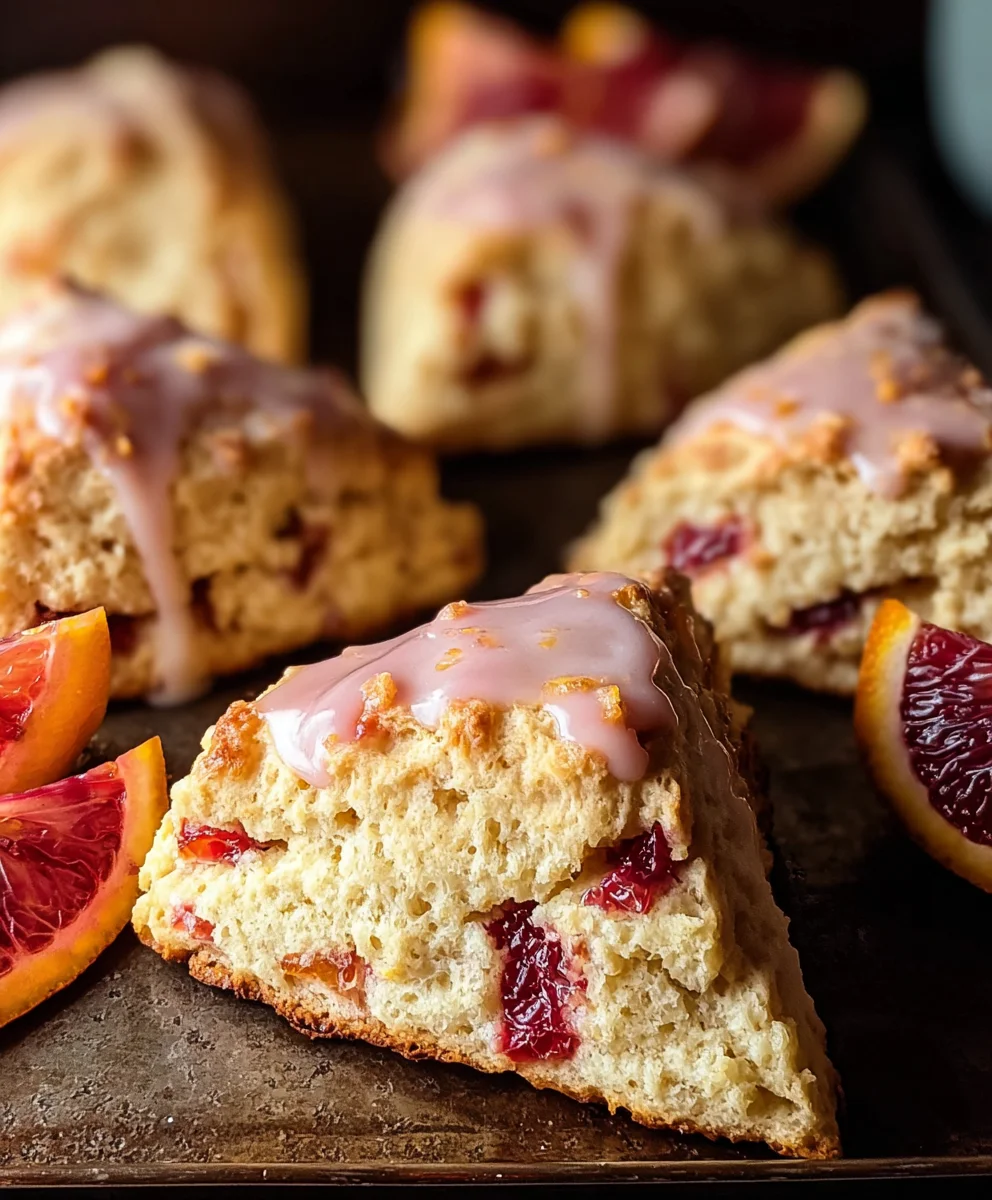
Once the scones have cooled on a wire rack for about 10-15 minutes (they should still be warm, but not piping hot), it’s time to glaze them. Using a spoon or a piping bag with a small tip, drizzle the blood orange glaze artfully over the tops of the scones. You can create random patterns, stripes, or simply cover the tops. The warmth of the scones will help the glaze to set slightly. Let the glaze set for a few minutes before serving. Enjoy these vibrant and flavorful Blood Orange Scones with your favorite beverage!
Conclusion:
We hope you’ve enjoyed this journey into creating the most delightful Blood Orange Scones! This recipe offers a wonderfully balanced sweet and tart flavor profile, with the vibrant citrus notes of blood oranges shining through every bite. The result is a tender, crum extractbly scone that’s perfect for any occasion, from a leisurely brunch to an afternoon tea. Don’t be afraid to experiment and make these your own!
For serving, these Blood Orange Scones are absolutely divine on their own. However, they also pair beautifully with a dollop of clotted cream or a light lemon curd. A simple dusting of powdered sugar is also a lovely finishing touch. If you’re feeling adventurous with variations, consider adding a hint of cardamom or a sprinkle of chopped pistachios to the dough for an extra layer of flavor and texture. You could also substitute other citrus fruits if blood oranges are out of season, though their unique color and flavor are truly special.
We encourage you to try making these Blood Orange Scones and share them with loved ones. Baking is a joy, and the aroma filling your kitchen will be a reward in itself. Happy baking!
Frequently Asked Questions:
Can I make Blood Orange Scones ahead of time?
Yes, you can. Once baked and cooled, store your Blood Orange Scones in an airtight container at room temperature for up to 2 days. For longer storage, you can freeze them for up to a month. Thaw at room temperature before serving.
What can I do if my Blood Orange Scones are too dry?
Overworking the dough is a common cause of dry scones. Be sure to handle the dough as little as possible when mixing and shaping. If you find your dough is consistently dry, you might slightly increase the liquid (like milk or cream) by a tablespoon, but add it very gradually.
Blood Orange Scones – Zesty Citrus Baking Bliss
Delightful scones bursting with the zesty flavor of blood oranges, finished with a sweet citrus glaze. Perfect for a bright breakfast or afternoon treat.
Ingredients
-
2 cups all-purpose flour
-
1/4 cup granulated sugar
-
1 tablespoon baking powder
-
1/2 teaspoon salt
-
1/2 cup cold unsalted butter, cut into small cubes
-
1/2 cup heavy cream
-
1 large egg
-
2 tablespoons finely grated blood orange zest
-
1/4 cup fresh blood orange juice
-
1 cup powdered sugar
-
2 to 3 tablespoons fresh blood orange juice
-
1 teaspoon finely grated blood orange zest
Instructions
-
Step 1
Combine dry ingredients: In a large bowl, whisk together 2 cups all-purpose flour, 1/4 cup granulated sugar, 1 tablespoon baking powder, and 1/2 teaspoon salt. -
Step 2
Cut in butter: Add 1/2 cup cold unsalted butter cubes to the dry ingredients. Use a pastry blender or fingertips to work the butter in until the mixture resembles coarse crumbs with some pea-sized pieces. -
Step 3
Add wet ingredients: In a separate bowl, whisk together 1/2 cup heavy cream and 1 large egg. Stir in 2 tablespoons blood orange zest. Pour this liquid over the dry ingredients. -
Step 4
Form dough: Gently mix with a fork or spatula until just combined, forming a shaggy dough. Turn out onto a lightly floured surface and pat into a cohesive ball without kneading. -
Step 5
Shape scones: Pat the dough into a ¾-inch thick disc and cut into 6-8 wedges. Place on a parchment-lined baking sheet. -
Step 6
Bake: Preheat oven to 400°F (200°C). Bake scones for 15-20 minutes, or until golden brown. -
Step 7
Prepare glaze: While scones cool slightly, mix 1 cup powdered sugar with 2-3 tablespoons blood orange juice until drizzling consistency. Stir in 1 teaspoon blood orange zest. -
Step 8
Glaze scones: Drizzle the glaze over the warm scones and let set for a few minutes before serving.
Important Information
Nutrition Facts (Per Serving)
It is important to consider this information as approximate and not to use it as definitive health advice.
Allergy Information
Please check ingredients for potential allergens and consult a health professional if in doubt.