Easy Pasta Primavera Recipe – Fresh Veggie Delight
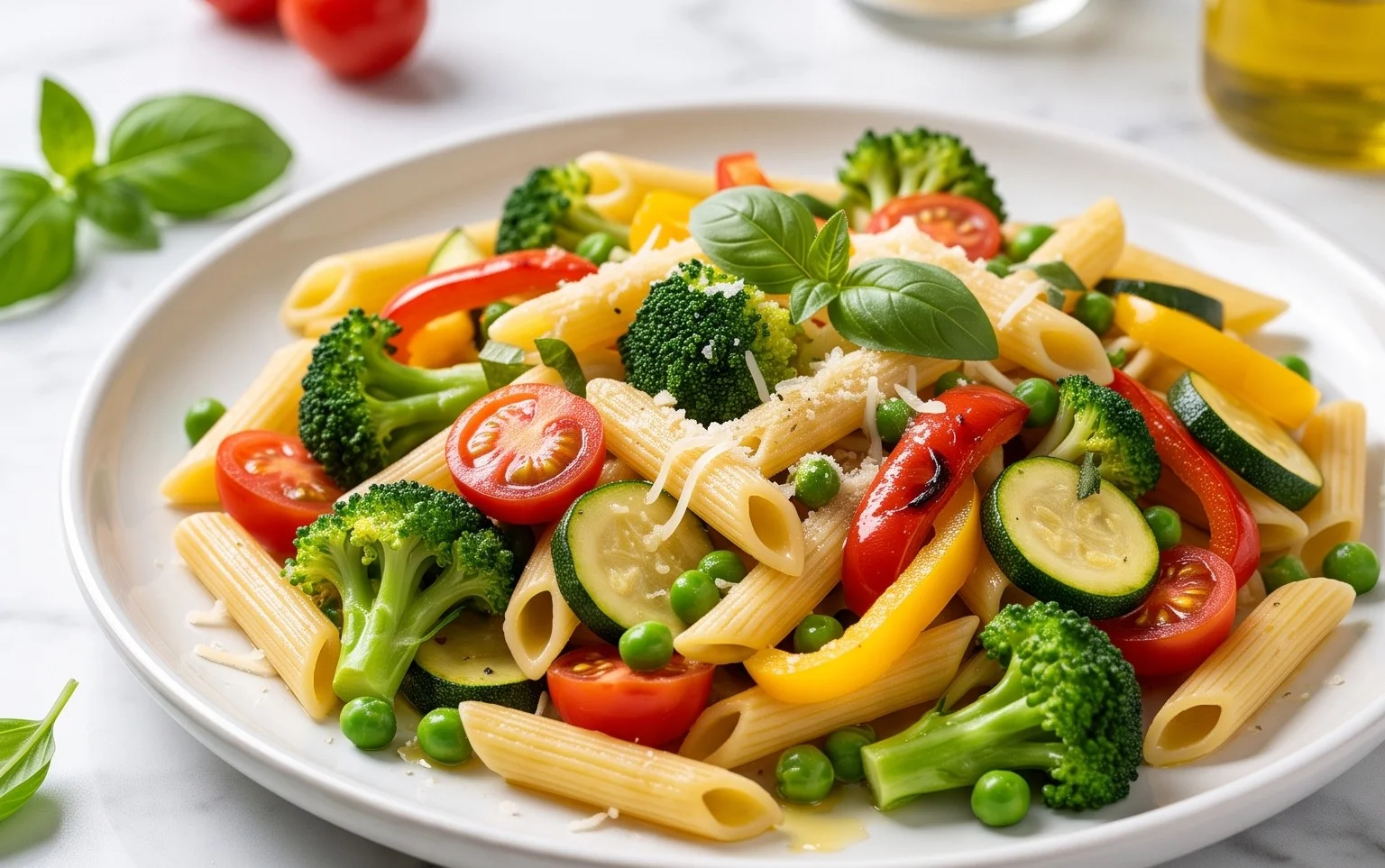
Pasta Primavera is more than just a meal; it’s a vibrant celebration of spring on a plate. When those first tender vegetables start to appear, brimming with fresh flavor, the craving for a light yet satisfying dish like Pasta Primavera is undeniable. What makes this pasta dish so universally loved? It’s the perfect marriage of al dente pasta, tossed with a knon-alcoholic aleidoscope of seasonal produce – think crisp asparagus, sweet peas, ruby-red bell peppers, and bright zucchini, all kissed by a delicate sauce. This isn’t your heavy, winter pasta; Pasta Primavera is about purity of flavor, showcasing the best the garden has to offer. It’s remarkably versatile, allowing you to adapt it to whatever looks best at your local market, making each iteration a unique delight. Get ready to experience the effortless elegance and refreshing taste of a truly wonderful Pasta Primavera.
Pasta Primavera: A Vibrant Celebration of Spring’s Bounty
There’s something truly magical about Pasta Primavera. It’s a dish that bursts with color, flavor, and the freshest tastes of spring. Whether you’re looking for a light and healthy weeknight meal or a crowd-pleasing vegetarian option, this recipe delivers. The beauty of Primavera lies in its versatility; you can adapt the vegetables to whatever is in season or what you have on hand. But this classic version, with its medley of crisp-tender vegetables and bright, zesty sauce, is a guaranteed winner. Let’s get cooking!
Ingredients:
Preparing the Vegetables
Before we dive into cooking the pasta, it’s crucial to have all your vegetables prepped and ready to go. This dish comes together quite quickly once the pasta is cooking, so a little mise en place will make the process smooth and enjoyable. Aim for uniformity in your vegetable cuts, especially for the carrot, broccoli, and red bell pepper. Slicing them into matchsticks ensures they cook evenly and at a similar rate, creating a beautiful visual appeal in the finished dish. For the yellow squash and zucchini, slicing them into quarter portions and then into half-moons or matchsticks will also work well. Don’t worry about perfection; a rustic charm is part of Primavera’s appeal. Mince your garlic finely – this releases its aromatic oils for maximum flavor. Halve the grape tomatoes through their length, which allows them to release their juices and contribute to the sauce.
Cooking the Pasta and Building the Sauce
Now, let’s get to the heart of the dish!
1. Start by bringin extractg a large pot of generously salted water to a rolling boil. You want the water to be seasoned well, as this is the primary way the pasta itself will absorb flavor. Add your 10 ounces of Barilla Penne Pasta and cook according to package directions until al dente. This means the pasta should be tender but still have a slight bite to it – not mushy. While the pasta is cooking, DO NOT DRAIN ALL THE WATER. Reserve about 1 cup of this starchy, salty pasta water. This liquid gold is essential for creating a silky, emulsified sauce that will coat every piece of pasta and vegetable beautifully.
2. As the pasta nears completion, heat the 1/4 cup of olive oil in a large skillet or wok over medium-high heat. Once the oil is shimmering, add your prepared red onion and carrots. Sauté for about 3-4 minutes, stirring occasionally, until the onion begin extracts to soften and the carrots start to turn slightly tender. This initial sautéing builds a flavor base for the entire dish.
3. Next, add the broccoli florets and red bell pepper to the skillet. Continue to cook, stirring frequently, for another 4-5 minutes. We want these vegetables to be vibrant and crisp-tender, not overcooked and limp. You should still see a bright green in the broccoli and a firm texture in the bell pepper. This is where the “Primavera” – spring – truly comes alive with color.
4. Now it’s time to introduce the yellow squash and zucchini. Add them to the skillet along with the minced garlic and dried Italian seasoning. Stir well to combine and cook for an additional 3-4 minutes, or until the squash and zucchini are just tender. Be careful not to overcook them; they should retain a slight bite. In the last minute of this vegetable cooking stage, add the halved grape tomatoes. Their sweetness and slight acidity will start to develop as they warm through.
5. Once the pasta is al dente, carefully drain it, reserving that precious cup of pasta water. Immediately add the drained penne to the skillet with the cooked vegetables. Pour in about 1/2 cup of the reserved pasta water, the 2 tablespoons of fresh lemon juice, and about half of your shredded Parmesan cheese (roughly 1/4 cup). Toss everything together vigorously over medium heat. The starch from the pasta water will emulsify with the olive oil and the natural moisture from the vegetables and tomatoes, creating a light, luscious sauce that clings to the pasta and vegetables. If the sauce seems too thick, add a little more pasta water, a tablespoon at a time, until you reach your desired consistency. This step is crucial for achieving that perfect, restaurant-quality finish.
Serve your Pasta Primavera immediately, garnished with the remaining shredded Parmesan cheese. The warmth of the pasta and vegetables will melt the cheese, adding a delightful nutty and salty finish. Enjoy this beautiful and delicious celebration of spring!
Conclusion:
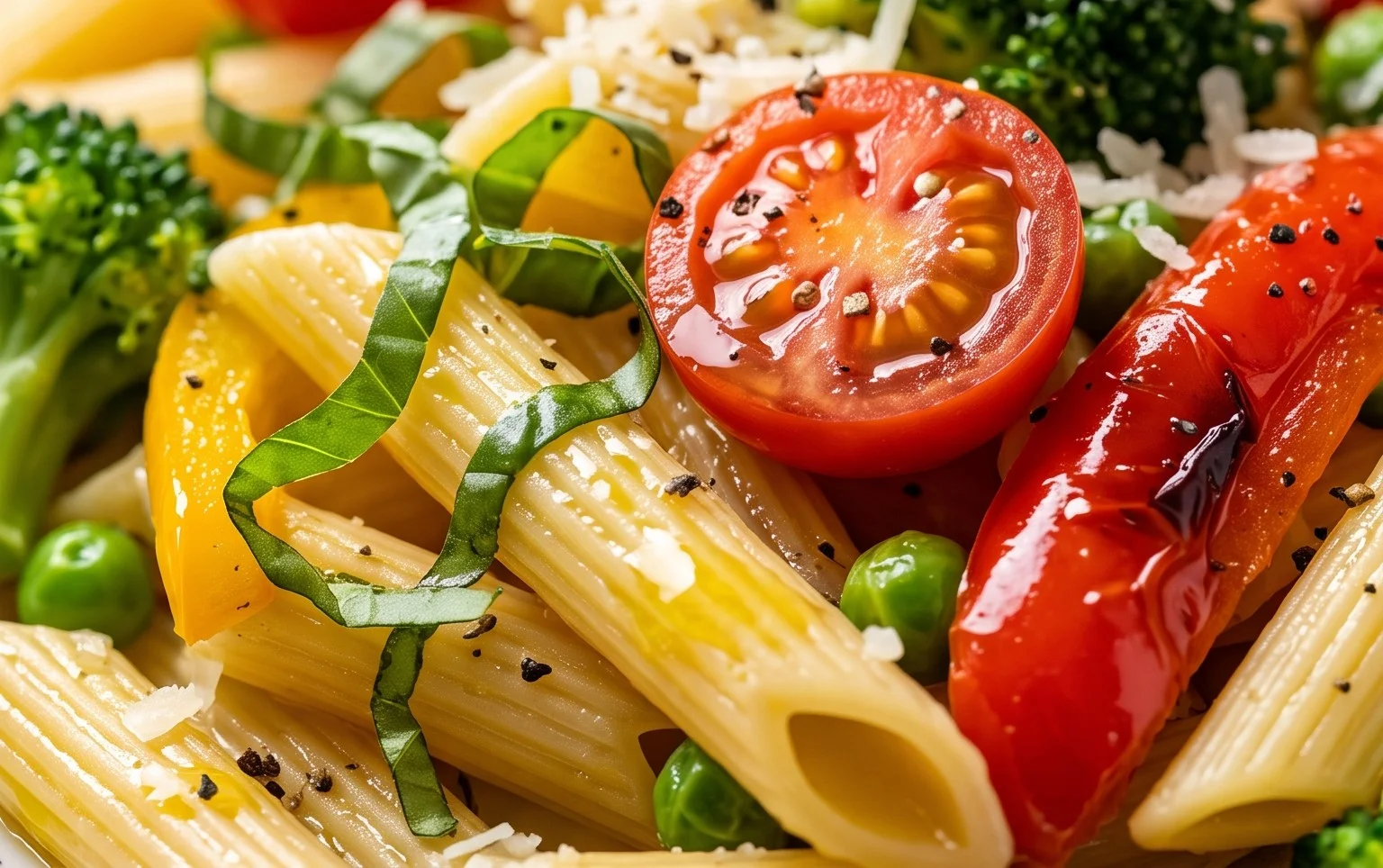
And there you have it – a delightful and vibrant Pasta Primavera that’s as beautiful as it is delicious! This recipe truly shines because of its incredible versatility and the way it celebrates the fresh, seasonal bounty. It’s a fantastic way to get a healthy dose of vegetables into a meal that still feels incredibly satisfying and comforting. The light, zesty sauce perfectly coats the pasta and crisp-tender vegetables, making each bite a burst of flavor. I find myself coming back to this dish time and time again, especially when I want something quick, healthy, and impressive.
Serving this Pasta Primavera is a joy. It’s wonderful on its own for a light lunch or dinner, but it also pairs beautifully with grilled chicken or fish for a more substantial meal. A sprinkle of fresh Parmesan cheese and a crack of black pepper are my go-to finishing touches. Don’t hesitate to experiment with the vegetables! Feel free to swap in your favorites or what’s in season. I love adding asparagus in the spring, zucchini and bell peppers in the summer, and even some roasted squash in the fall. Give this recipe a try; I’m confident you’ll fall in love with its simplicity and freshness!
Frequently Asked Questions:
Q: Can I make Pasta Primavera ahead of time?
A: While the vegetables are best cooked fresh, you can certainly prep them in advance. Chop all your vegetables and store them in airtight containers in the refrigerator. You can also cook your pasta a little al dente and refresh it with cold water. When ready to serve, reheat the vegetables briefly in the pan, add the cooked pasta, and toss with the sauce. It might not be as crisp, but it will still be delicious!
Q: What kind of pasta works best for Pasta Primavera?
A: Almost any shape will work! I often use penne, fusilli, or farfalle as they hold the sauce and little pieces of vegetables well. Long pasta like spaghetti or linguine is also lovely, but you’ll want to ensure your vegetable pieces are cut small enough to be easily mixed in.
Pasta Primavera
A vibrant and flavorful pasta dish featuring a medley of fresh spring vegetables.
Ingredients
-
10 oz. dry Barilla Penne Pasta
-
Salt
-
1/4 cup olive oil
-
1/2 medium red onion, sliced
-
1 large carrot, peeled and sliced into matchsticks
-
2 cups broccoli florets, cut into matchsticks
-
1 medium red bell pepper, sliced into matchsticks
-
1 medium yellow squash, sliced into quarter portions
-
1 medium zucchini, sliced into quarter portions
-
3 – 4 cloves garlic cloves, minced
-
1 cup (heaping) grape tomatoes, halved through the length
-
2 tsp dried Italian seasoning
-
1/2 cup pasta water
-
2 Tbsp fresh lemon juice
-
1/2 cup shredded parmesan, divided
Instructions
-
Step 1
Cook Barilla Penne Pasta according to package directions in salted boiling water. Reserve 1/2 cup of pasta water before draining. -
Step 2
While pasta is cooking, heat olive oil in a large skillet or Dutch oven over medium heat. -
Step 3
Add sliced red onion and carrot matchsticks to the skillet and cook for 3-4 minutes until slightly softened. -
Step 4
Add broccoli florets, red bell pepper matchsticks, yellow squash, and zucchini to the skillet. Cook for another 5-7 minutes, stirring occasionally, until vegetables are tender-crisp. -
Step 5
Stir in minced garlic and dried Italian seasoning and cook for 1 minute until fragrant. -
Step 6
Add the halved grape tomatoes to the skillet and cook for 2-3 minutes until they begin to soften. -
Step 7
Add the drained pasta to the skillet with the vegetables. Pour in the reserved pasta water and lemon juice. Toss to combine. -
Step 8
Stir in half of the shredded parmesan cheese. Season with salt to taste. -
Step 9
Serve immediately, garnished with the remaining shredded parmesan cheese.
Important Information
Nutrition Facts (Per Serving)
It is important to consider this information as approximate and not to use it as definitive health advice.
Allergy Information
Please check ingredients for potential allergens and consult a health professional if in doubt.