
Easy Miso Soup Recipe – Quick Comfort Food
Miso soup recipe: a gateway to pure comfort in a bowl. There’s a reason this humble Japanese staple has captured hearts worldwide. Its deeply savory, umami-rich broth, infused with the earthy goodness of fermented soybeans, is simply irresistible. Whether you’re seeking a light starter to a delicious meal, a warming antidote to a chilly evening, or a moment of quiet reflection, a perfectly brewed bowl of miso soup delivers. What truly makes this miso soup recipe special is its incredible versatility. It’s not just a one-trick pony; it’s a canvas for fresh ingredients, from silken tofu and tender seaweed to vibrant scallions and plump mushrooms. Get ready to unlock the secrets to crafting your own incredibly satisfying miso soup at home, a culinary hug that’s both nourishing and profoundly delicious.

Miso Soup Recipe
Miso soup is a staple of Japanese cuisine, and for good reason! It’s incredibly comforting, surprisingly simple to make, and bursting with a unique umami flavor that’s both savory and deeply satisfying. Forget those watery packets; this homemade version is a revelation. It’s the perfect way to start a meal, a light lunch on its own, or a wonderfully warming accompaniment to almost anything. The beauty of miso soup lies in its adaptability – you can customize it with your favorite additions, but this basic recipe is a fantastic foundation. Learning to make it at home opens up a world of delicious possibilities. Let’s dive into creating this delightful soup.
Ingredients:
Preparing Your Ingredients
Before we start cooking, it’s important to have everything ready to go. This is a quick soup, so mise en place is key.
First, let’s talk about the dashi. You can buy instant dashi granules, which are incredibly convenient. Just follow the package instructions to create your 2½ cups of broth. If you’re feeling more adventurous, you can make dashi from scratch using kombu (dried kelp) and katsuobushi (dried bonito flakes). This will lend an even more authentic and nuanced flavor to your soup.
Next, the dried seaweed. I like to use wakame, as it rehydrates beautifully and has a lovely delicate texture. Measure out about a heaping tablespoon. You’ll want to rehydrate this before adding it to the soup. Place it in a small bowl and cover it with cool water for about 5-10 minutes, or until it’s softened and expanded. Once rehydrated, drain it well and you can gently squeeze out any excess water. If the pieces are still a bit large, you can give them a rough chop.
Now for the silken tofu. It’s important to use silken tofu for miso soup as it’s incredibly delicate and melts in your mouth. Firm or extra-firm tofu will be too dense and won’t provide that characteristic silky texture. Carefully cut the block of silken tofu into small, bite-sized pieces. I usually aim for cubes about ½ inch by ½ inch. Be gentle when handling silken tofu, as it can break apart easily.
Finally, the scallions. Wash them well and then thinly slice them. These are primarily for garnish, adding a fresh, pungent pop of flavor and a lovely green color to the finished soup.
Cooking the Miso Soup
This soup comes together very quickly, so it’s best to have all your ingredients prepped and ready.
1. Begin extract by bringin extractg your prepared dashi to a gentle simmer in a medium saucepan over medium heat. You don’t want a rolling boil, as this can diminish the delicate flavors of the dashi and the miso. A gentle simmer will coax out the best from your ingredients.
2. Once the dashi is simmering, add the rehydrated and drained seaweed to the pot. Let it simmer for about 1-2 minutes. This allows the seaweed to soften further and infuse its subtle brininess into the broth.
3. Gently add the bite-sized pieces of silken tofu to the simmering dashi and seaweed. Be careful not to stir too vigorously at this stage to prevent the delicate tofu from breaking apart too much. Allow the tofu to heat through for about 1-2 minutes.
4. This is the crucial step for incorporating the miso. In a small bowl, ladle about ½ cup of the warm dashi from the pot. Add your miso paste to this bowl and whisk it thoroughly until it’s completely dissolved and smooth. This step is essential because adding miso paste directly to the hot pot can cause it to clump and also scald the delicate cultures within the paste, diminishing its flavor and probiotic benefits. Dissolving it first in a little warm liquid ensures it disperses evenly and maintains its integrity.
5. Once the miso paste is fully dissolved in the separate bowl, pour this mixture back into the saucepan with the dashi, seaweed, and tofu. Stir gently to combine. Now, this is very important: do NOT let the soup boil after adding the miso. Heat it gently until it is hot but not boiling, which usually takes about 1-2 minutes. Boiling the miso will destroy its delicate flavor and beneficial enzymes. Taste the soup and adjust the amount of miso paste if needed. If you prefer a stronger, more savory flavor, you can whisk in another ½ tablespoon of miso paste dissolved in a little warm dashi.
Serving Your Miso Soup
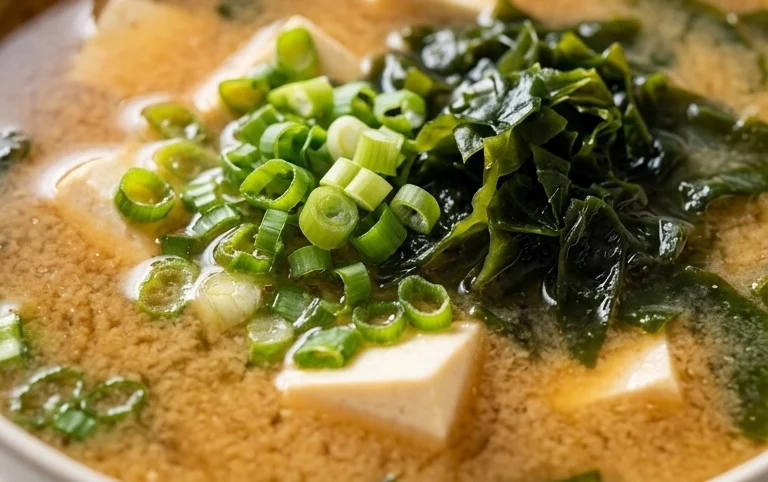
Ladle the hot miso soup into your serving bowls immediately. Garnish generously with the freshly sliced scallions. The vibrant green of the scallions against the savory broth and soft tofu is visually appealing and adds a wonderful fresh aroma. This soup is best enjoyed piping hot, right after it’s made. The simple elegance of this miso soup is truly remarkable, proving that sometimes, the most comforting dishes are the most straightforward. Enjoy this taste of Japan!
Conclusion:
And there you have it! This miso soup recipe is a true gem. It’s incredibly simple to whip up, making it perfect for a quick weeknight meal or a comforting starter. The depth of flavor you get from just a few key ingredients is truly remarkable, showcasing the savory magic of miso. I find myself reaching for this recipe again and again when I crave something nourishing and satisfying.
This versatile miso soup is wonderful served on its own, but it also pairs beautifully with a variety of dishes. Imagin extracte it alongside your favorite sushi, a crisp green salad, or even as a prelude to a heartier main course like grilled fish or teriyaki chicken. For a more substantial meal, feel free to add cooked rice, noodles, or extra protein like tofu or shrimp.
Don’t be afraid to experiment with variations! You can swap out the dashi for vegetable broth for a vegetarian option, or add different vegetables like spinach, shiitake mushrooms, or bok choy. A sprinkle of toasted sesame seeds or a drizzle of chili oil can add an exciting new dimension to the classic taste. I truly encourage you to give this easy and delicious miso soup recipe a try – I’m confident you’ll love it as much as I do!
Frequently Asked Questions:
What type of miso paste is best for this recipe?
For this classic miso soup recipe, white miso (shiro miso) is a fantastic choice as it offers a milder, slightly sweeter flavor that is very approachable. However, red miso (aka miso) will provide a bolder, more robust and savory taste if you prefer that. You can even blend white and red miso for a nuanced flavor profile.
Can I make miso soup ahead of time?
While miso soup is best enjoyed fresh, you can prepare the dashi broth and chop your ingredients ahead of time. Store them separately in the refrigerator. It’s important to add the miso paste just before serving, as boiling miso can diminish its flavor and beneficial properties.
What are some ways to make miso soup more filling?
To make your miso soup more substantial, consider adding cooked ingredients like cubed silken or firm tofu, cooked ramen or udon noodles, edamame, or even shredded cooked chicken. A handful of cooked spinach or chopped scallions also adds body and nutrients.
Miso Soup
A simple and comforting classic Japanese miso soup.
Ingredients
-
2½ cups Dashi
-
1 heaping tablespoon dried seaweed
-
4 oz silken tofu (cut into small pieces)
-
2-2½ tablespoons miso paste (or to taste)
-
1 tablespoon scallion (chopped)
Instructions
-
Step 1
Rehydrate the dried seaweed in a small bowl of water for about 5 minutes. -
Step 2
Drain the seaweed and gently squeeze out excess water. -
Step 3
In a medium saucepan, bring the Dashi to a gentle simmer over medium heat. -
Step 4
Add the rehydrated seaweed and silken tofu to the simmering Dashi. -
Step 5
In a small bowl, whisk the miso paste with a ladleful of the hot Dashi until smooth. This prevents clumps. -
Step 6
Pour the miso mixture back into the saucepan. Stir gently to combine. -
Step 7
Heat the soup until it is hot but do not boil it, as boiling can diminish the flavor of the miso. -
Step 8
Ladle the miso soup into bowls and garnish with chopped scallions.
Important Information
Nutrition Facts (Per Serving)
It is important to consider this information as approximate and not to use it as definitive health advice.
Allergy Information
Please check ingredients for potential allergens and consult a health professional if in doubt.